We stayed just outside the old city, less than 10 minutes' walk from the walls, in a fabulous apartment in an old wooden house. This provided us with a large bedroom, lounge and kitchen, all looking out onto a quiet yard, where we parked the car.


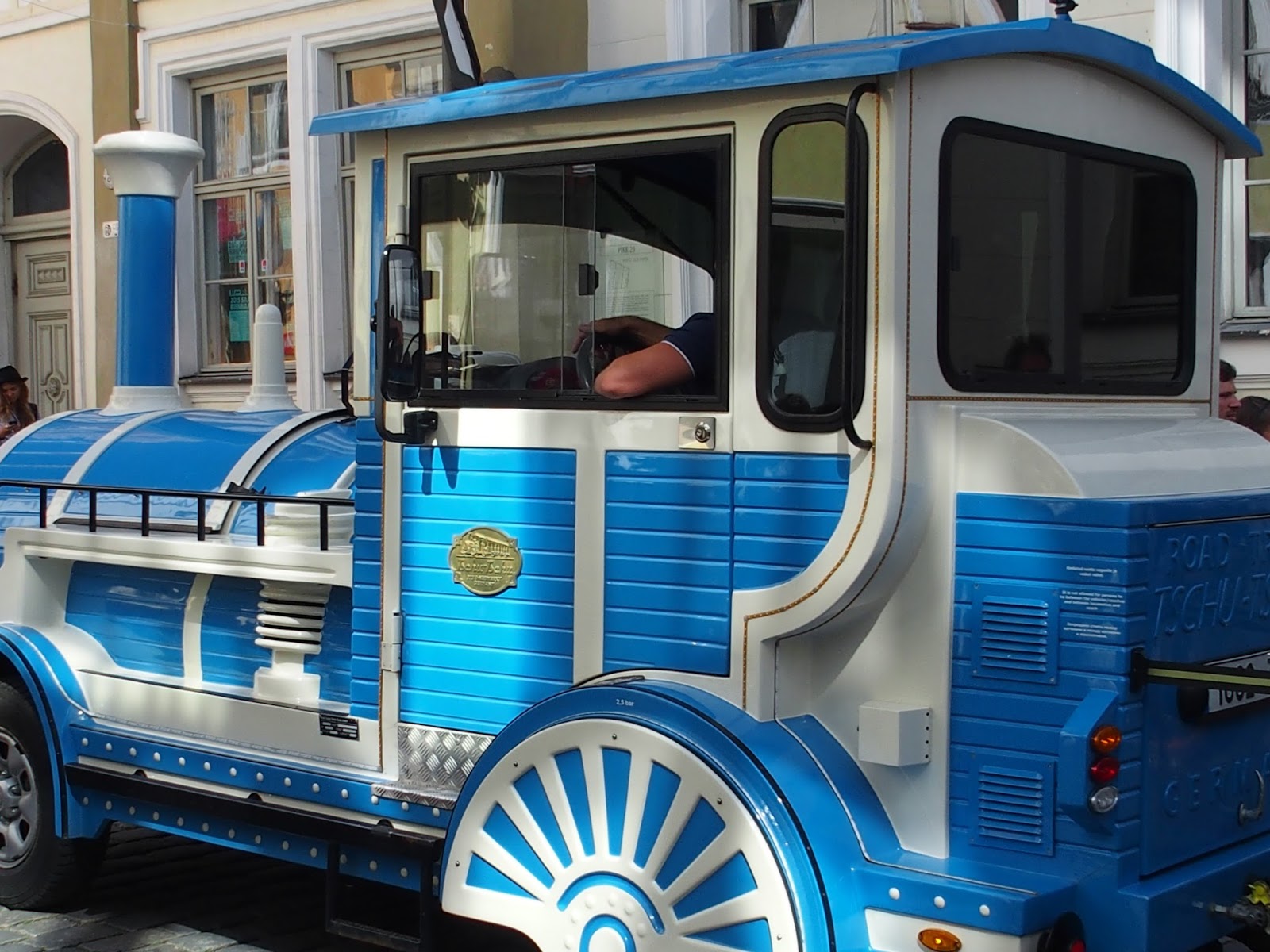
But over three full days in Tallinn, we did much of the usual travel things: a self-guided walking tour of the old city, three hop-on-hop-off bus routes (taking us to places we would not otherwise have gone), a tour of the KGB rooms/museum in the Viru Hotel, a guided tour through the tunnels under the ramparts and a visit to the open air museum on the edge of the city. No boat tours this time (a ferry ride was coming up); no mini-tourist train, though we did see one but couldn't find where it departed from (the ghost tourist train);
no extended visit to the TV Tower (a highlight strongly recommended by locals, but sadly declined by us).

More on these ...
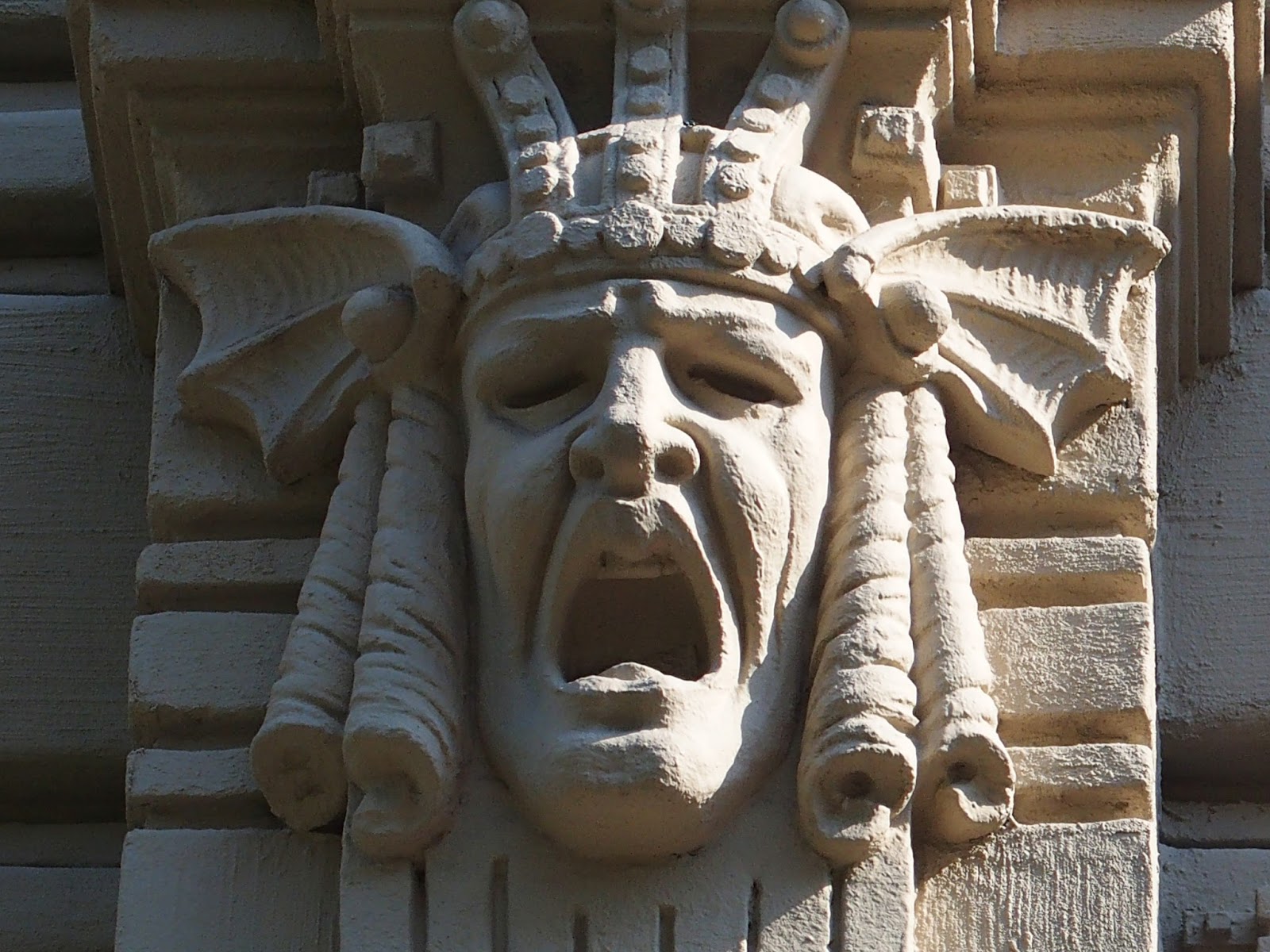
The Lonely Planet walking tour takes in much of the old city (upper and lower); it's a quick walk past some of the highlights, including some nice old buildings and some art nouveau. The Catherine's Passage was cute and we lunched there watching the vast number of cruise ship tour groups trudge past.


We'd intended to spend some time in the City Museum, as recommended, but it was closed on the Monday, so we dropped into the old rooms of a nunnery's Claustrum, and then climbed along a section of the city walls instead.


The bus tours are, as always, a good introduction to the layout of the city; three tours over two days took us to some outlying places (the TV Tower ... above; the Outdoor Museum ... below) that we probably wouldn't have visited solo, but also repeated some sites - I think we went to the cruise ship docks and the Seaplane Museum three times! But maybe repetition is good learning and enabled some facts from the audio commentary to sink in ... or maybe not.


When Tallinn was being opened up to visitors as a holiday destination, the Russian government had the Viru Hotel built on the edge of the old city (by Finns) as the only place they could stay.

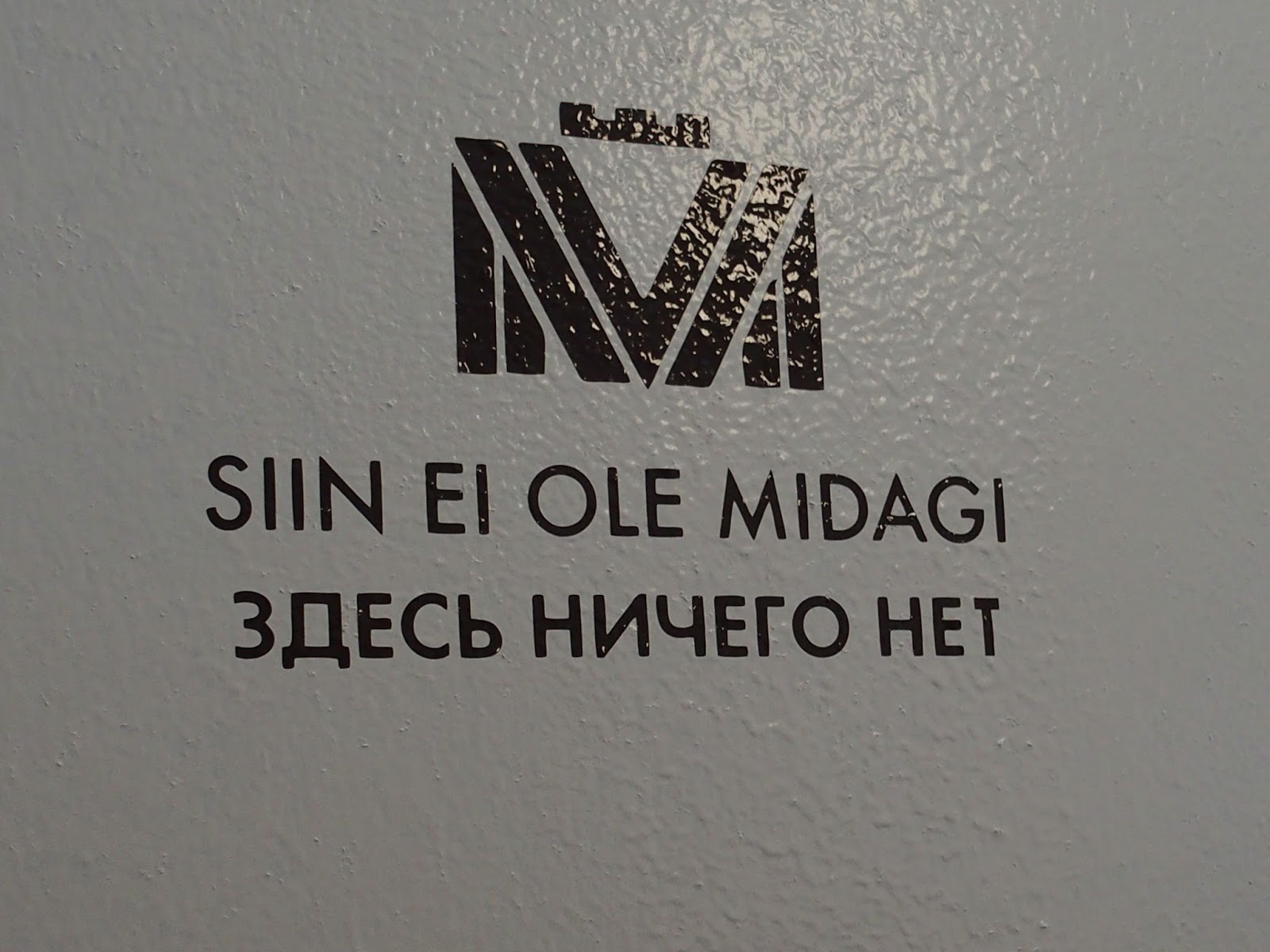
This also meant that the KGB could keep visitors under surveillance there. With the collapse of the Soviet Union and the abrupt withdrawal of the Russians on Estonian independence, the rooms that the KGB used as a headquarters, on the 23rd floor of the hotel, were abandoned. They are now a small museum that traces both the history of that time, and also details how rooms were bugged etc. There are daily tours (in English ... and I guess in other languages) of these rooms - on a floor that officially didn't exist. A sign on the door of one room (where the communications equipment was housed) reads in Estonian and Russian: 'There is nothing here'.
The tour was fascinating: details of microphones in plates, cameras in the ceilings etc. Papers strewn round as the KGB left; broken communication equipment for contacting agents elsewhere in northern Europe; uniforms; photos - and piles of documents about the hotel and the methods used. It was a wonderful and insightful hour and a half.


I think I bemused the guide by sharing that I also was under surveillance in Australia at roughly the same period ... so it wasn't just the KGB that was bugging people and establishing secret files.
There were similar themes emerging in parts of the tour of the tunnels under the ramparts. These were actually not really tunnels, as they were constructed above ground as passages between towers and bastions, and then covered by dirt and other buildings, so they are now accessed by a climb down from one of the old towers. Only some of the known tunnels are open for tours, and it is known that more exist, but are still walled off ... and it is suspected that other unknown areas may also exist to be discovered. The tour is quite extensive and shows how the tunnels have been used at various times: as air-raid shelters during WWII; as practice bunkers in 'defence' against nuclear attack; as homes for the city's homeless people (until recently); by punks as hideouts and 'clubs' during Soviet times. All of these are illustrated with documents on the walls (photos etc), videos and displays.

Communication equipment and air-purification plants are still there; walls are scrawled with anarchist graffiti. At the end, there is a short (300 m) 'train' ride, that slowly trundles along a section of the tunnels while displaying animations about possible futures for Tallinn. Very enjoyable; chilly - so blankets were issued!
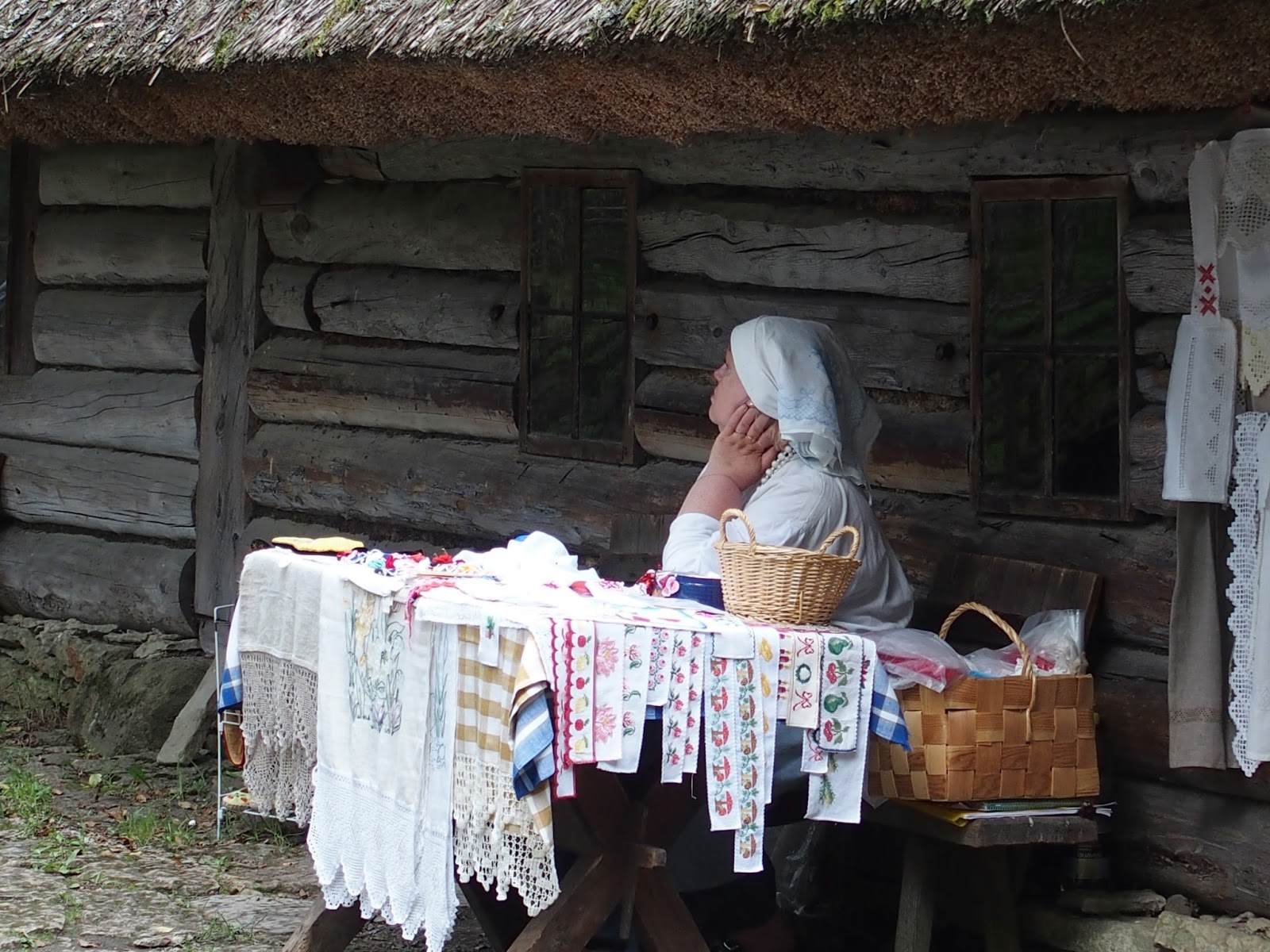
The Open Air Museum, out in the city's west, brings the diversity of Estonia's buildings into one park. It is quite extensive and well worth visiting. We spent a couple of hours there within the hop-on-hop-off tour, and could have spent more (we thought we needed to catch the last bus for the day, but it turned out there was another one ... so we could easily have spent three hours there). Old farm house complexes, windmills, a church, a school, a fire-station ... and these show the historic development from serfdom huts to more affluent farm buildings. They also throw some light on customs, with displays about, for example, christening ceremonies. There are people in each of the buildings who not only act to supervise them, but also are in historic costume and, in some cases, are maintaining traditional crafts and practices: gardening, crocheting, black-smithing etc. We saw maybe half to two-thirds of the site in two hours; well signed, including in English, and a great country/forest setting.




Tallinn is an enjoyable city. There were large tourist crowds, but they seem largely concentrated in some areas - even in some specific areas of the old town, and it is relatively easy to get away into quieter areas. Some good food, some strange encounters: someone selling CDs from a duffel bag as we initially wandered into the upper city at 9.30 pm - we declined and had no Pärt of it [in joke for Estonian musical aficionados];

an extended conversation with a rather drunken young gay bartender who was expressing fairly naïve racist/nationalistic views ... somewhat strongly ...


Onwards to the ferry northwards ...